Area Real Estate News & Market Trends

You’ll find our blog to be a wealth of information, covering everything from local market statistics and home values to community happenings. That’s because we care about the community and want to help you find your place in it. Please reach out if you have any questions at all. We’d love to talk with you!

Sept. 11, 2025

Price It Right or Watch It Sit


Waiting for the “perfect buyer” to fall in love with your home? In today’s market, that might not be what’s slowing things down.

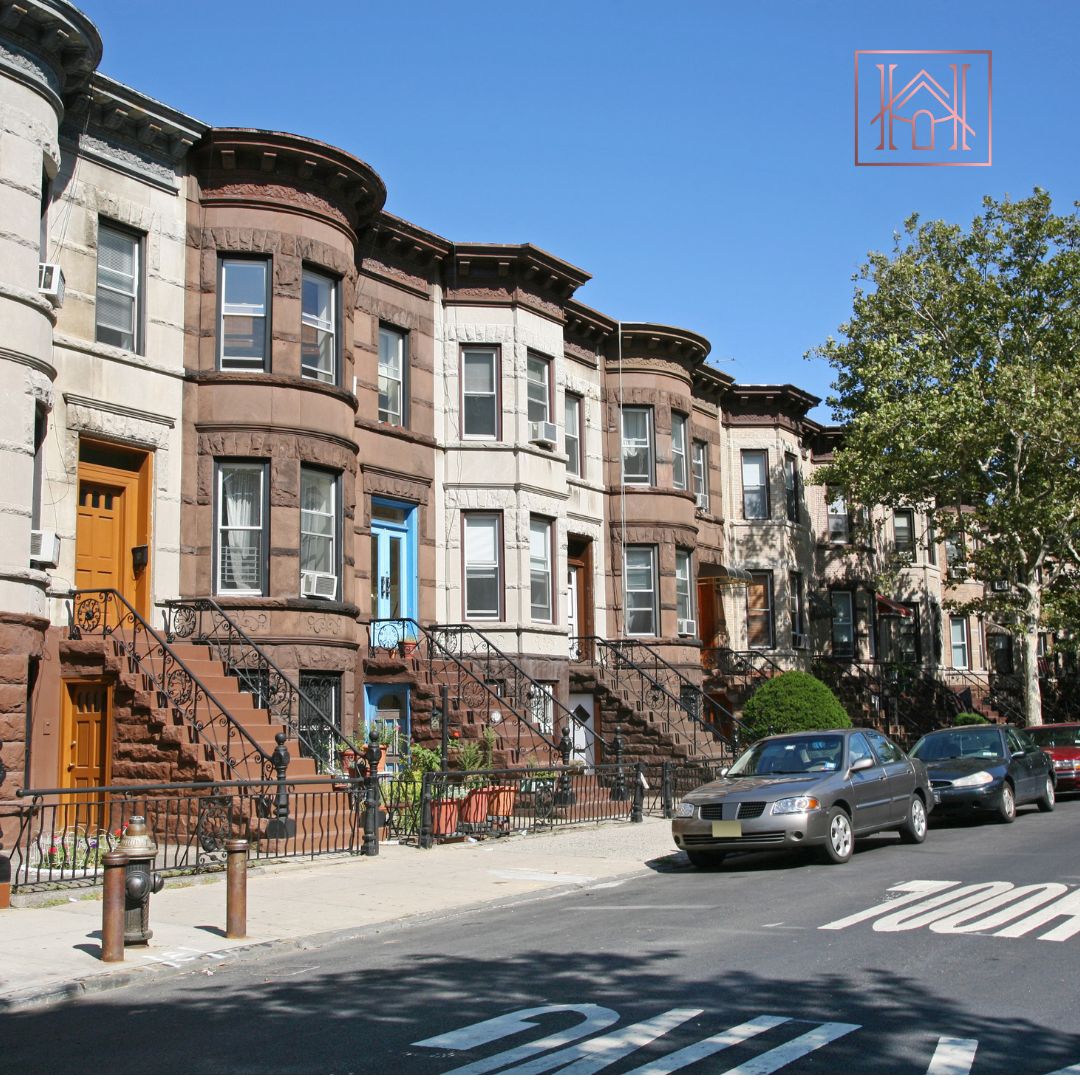
Let’s break it down in neighborhoods across Brooklyn and beyond, homes are lingering on the market longer than they were a year ago. According to recent data from Realtor.com, the typical home took 60 days to sell in August a full week longer than last year, and a signal that buyer behavior has shifted.

So what’s really causing the slowdown? In many cases, it comes down to one thing: pricing.

Buyers Have More Options and Higher Expectations

Inventory has grown in many parts of Brooklyn, from Bed-Stuy to Bay Ridge. That means buyers are no longer rushing into bidding wars or settling for homes that don’t feel “just right.”

But what’s more important? They’re price-savvy now. They’ve seen the headlines, tracked the trends, and they know when a listing is priced too high even if it’s just by a little.

And while homeowners may remember the wild price jumps of 2021 and 2022, we’re in a different market today. The reality? List prices have flattened. They’re not climbing like they used to, but they’re not dropping dramatically either they’re just… stuck.

If You’re Not Seeing Offers, Price Could Be the Problem

Here are 4 signs your Brooklyn home may be overpriced:

  1. Few showings and minimal buyer interest

  2. No offers, or offers far below asking

  3. Negative feedback from agents or buyers

  4. Your home is sitting longer than the local average

If any of this sounds familiar, it’s time to have an honest conversation about your pricing strategy. Holding out hope isn’t going to bring the right buyer through your door but a realistic price adjustment just might.

Here’s the Good News

You may not be able to push your price higher than your neighbor’s 2022 sale but that doesn’t mean you’re losing out. If you’ve owned your home for a few years or more, your equity has likely grown significantly. You're still walking away with a solid return on your investment.

And even a small price tweak can make a major difference. A minor adjustment can help your listing get fresh attention and attract the right kind of traffic.

💡 The Bottom Line? Pricing Sells Homes Not Patience.

In today’s market, especially in competitive Brooklyn neighborhoods, buyers are careful, and time is money. If your home is priced right, it will sell simple as that.

📞 Ready to Talk Strategy?

If you're thinking about selling or if your current listing is sitting with no traction, let's connect. I’ll help you understand what buyers in your neighborhood are actually paying today not last year, not during the boom but right now.

🏡 Let’s get your home sold. Smart pricing. Local insight. Real results.
Posted in Market Updates
May 15, 2025

How Much Does It Really Cost to Sell a Home in Brooklyn?


Selling your home in Brooklyn might sound like a great way to cash in on rising property values — and often, it is. But before you mentally spend that profit, it's essential to understand the real costs involved in selling a home here in NYC. Between broker commissions, taxes, and unexpected fees, your bottom line can shrink quickly if you’re not prepared.

Here’s a clear breakdown of what it really costs to sell a home in Brooklyn — from the obvious to the often-overlooked.

💼 1. Real Estate Broker Commission (5–6%)

If you're working with a full-service real estate agent — and in Brooklyn's competitive market, you probably should — expect to pay around 5% to 6% of the sale price in commission fees.

For example, on a $1M sale:

  • 5% commission = $50,000
    This fee is usually split between the listing agent and the buyer’s agent.

Pro Tip: A strong agent helps you price strategically, market effectively, and negotiate skillfully — often recouping more than the commission in final sale price.

📝 2. New York City & State Transfer Taxes (1.4%–1.825%)

Yes, NYC and New York State both take a cut.

  • NYC Transfer Tax:

- 1% for properties under $500,000

- 1.425% for properties over $500,000


  • NY State Transfer Tax:

- 0.4% of the sale price

So for a $1M home, you’d pay:

  • NYC tax: $14,250

  • NYS tax: $4,000

  • Total Transfer Taxes: $18,250

If you're selling a condo, co-op, or brownstone, this applies.

🛋 3. Staging and Pre-Sale Improvements ($2,000–$10,000+)

While optional, staging can dramatically impact sale price and time on market.

  • Professional staging: $3,000–$8,000+

  • Cosmetic upgrades: Fresh paint, lighting, or small repairs may run $2,000–$5,000

  • Deep cleaning + landscaping: $500–$1,500

Worth it? Often yes — staged homes sell faster and for more.

🧾 4. Attorney Fees ($1,500–$3,000)

Real estate attorneys are essential in NYC. They'll review contracts, resolve title issues, and ensure the process runs smoothly.

Budget around:

  • $1,500–$3,000 depending on complexity.

🧠 5. Capital Gains Taxes (Varies)

If you’ve lived in your home for 2 out of the last 5 years, you may be eligible for:

  • $250,000 capital gains exclusion (single filer)

  • $500,000 exclusion (married filing jointly)

If not? You may owe federal (up to 20%) and state capital gains taxes on your profit.

Tip: Consult a tax advisor — early.

💸 6. Miscellaneous & Hidden Costs

  • Co-op/Condo fees: Move-out fees, flip taxes, or board application fees ($500–$25,000+)

  • Mortgage Payoff Fees: Balance, prepayment penalties, and document handling

  • Title Company & Recording Fees: ~$500–$1,000

  • Lien or Violation Resolution: NYC DOB issues can delay closing and cost $1,000s

💰 Total Estimated Seller Costs in Brooklyn

Item

% / Estimate

Broker Commission

5–6%

NYC + NYS Transfer Taxes

~1.825%

Attorney Fees

$1,500–$3,000

Staging & Repairs

$2,000–$10,000+

Co-op/Condo/Other Fees

Varies

Capital Gains Taxes

Varies

On a $1,000,000 sale, you might spend:
👉 $75,000–$90,000+ in total selling costs

👋 Final Thoughts

Selling a home in Brooklyn is rarely just about sticking a sign in the yard and cashing a check. Between taxes, fees, and prep costs, your final proceeds may be less than expected — but with the right preparation (and team), you can still walk away with a strong return.

If you’re thinking of selling, I’d be happy to walk you through a personalized net sheet based on your property.

📞 Let’s talk about your home’s value — and what selling it could really mean for you.


Posted in Market Updates
April 18, 2025

First-Time Buyer in Brooklyn? 5 Things You Must Know Before You Start

Buying your first home is exciting—but doing it in Brooklyn? That’s a whole different game. With its diverse neighborhoods, fast-moving market, and unique property types, navigating your first real estate purchase here comes with some serious learning curves. Whether you're eyeing a Park Slope brownstone, a Williamsburg condo, or a Fort Greene co-op, here are five essential things every first-time buyer in Brooklyn needs to know:

1. Co-ops Are a Big Deal—and a Whole Different Ball Game

In many other parts of the country, you'll mostly find condos or single-family homes. But in Brooklyn, co-ops (short for housing cooperatives) are common—especially in prewar buildings. When you buy a co-op, you're actually buying shares in a corporation that owns the building, not the physical unit itself. That means:

  • You’ll need board approval, which can be intense (think: financial disclosures, interviews, and more).
  • There are often strict subletting and renovation policies.
  • Maintenance fees tend to be higher than condos, but they often include taxes and some utilities.

If flexibility and easier resale are your top priorities, a condo might be a better fit—but expect to pay a premium.

2. Bidding Wars Are Real—and Strategy Is Everything

Brooklyn’s market moves fast, and multiple-offer situations are common, especially for well-priced properties in desirable neighborhoods. First-time buyers can be caught off guard by the pace and intensity of these negotiations. Be ready to:

  • Get pre-approved with a local lender (sellers and listing agents prefer them).
  • Move quickly—sometimes within hours of a showing.
  • Consider offering over ask—or adding sweeteners like waived contingencies, when appropriate.

Having an experienced buyer’s agent who knows the local micro-markets is key to putting together a winning offer without overpaying.

3. Closing Costs Can Be a Budget-Buster

You’ve saved for your down payment—great! But don’t forget to budget for closing costs, which in NYC can be significantly higher than elsewhere. Depending on the property type and price point, you might pay:

  • Condo: 2–4% of the purchase price
  • Co-op: 1–2% (usually a bit lower)
  • New construction: even more, due to additional taxes and fees

These costs can include attorney fees, title insurance, mansion tax (on purchases $1M+), transfer taxes, and more. A knowledgeable broker will help you estimate this before you start seriously shopping.

4. Location Is Hyper-Local—Know the Block, Not Just the Neighborhood

Brooklyn is a borough of neighborhoods—but even within those, the experience can vary block by block. One side of the street may have leafy trees, historic brownstones, and quiet vibes, while the other has new construction, nightlife, or a very different energy. Things to consider:

  • Proximity to subway lines or express buses
  • Local school zones (even if you don’t have kids, this affects resale)
  • Development trends and future rezoning
  • Amenities, noise levels, and community feel

This is where working with a Brooklyn-based agent pays off—they’ll know the nuances you can’t get from Zillow.

5. The Right Team Makes All the Difference

In a complex market like Brooklyn’s, having the right professionals on your side isn’t optional—it’s essential. This includes:

  • A savvy real estate broker (👋 hey, that’s me!) who knows the local market
  • A real estate attorney experienced with NYC co-op/condo deals
  • A mortgage lender who understands the unique requirements of Brooklyn properties
  • A trusted inspector who won’t miss the small stuff

Buying your first home should feel exciting, not overwhelming. With the right guidance and preparation, you can make smart, confident decisions—and actually enjoy the process.

Thinking about buying your first home in Brooklyn?
Let’s chat. I’d love to help you navigate the process from first showing to final closing—and find a place you’ll be proud to call home.

Posted in Market Updates
April 10, 2025

Brooklyn Real Estate Market Update – April 2025

The Brooklyn real estate market is continuing to evolve as we move further into 2025. Whether you're looking to buy, sell, or simply stay informed, here's a quick overview of the current trends you need to know.

1. Price Trends: Stability After the Pandemic

Home prices in Brooklyn remain higher than pre-pandemic levels but have stabilized in recent months. While certain areas like DUMBO and Brooklyn Heights are still seeing premium prices, neighborhoods such as Bay Ridge and Sunset Park offer more affordable options. The median home price in Brooklyn is currently around $900,000, a figure that reflects a more balanced market after the rapid price increases during the pandemic.

2. Inventory: Still Low, But Emerging Opportunities

Inventory in Brooklyn is still tight, and many buyers are facing competition. However, some neighborhoods that were once less in demand, like Crown Heights and Bed-Stuy, are seeing new developments and growing interest, making them great opportunities for those looking to invest in an up-and-coming area.

3. Neighborhoods to Watch

Post-pandemic, more people are seeking larger homes with extra space for offices and outdoor areas. Ditmas Park and Flatbush are gaining traction due to their spacious homes and quieter suburban feel. Meanwhile, areas like DUMBO and Brooklyn Heights continue to attract luxury buyers, thanks to their upscale amenities and proximity to Manhattan.

4. Looking Ahead

The Brooklyn market is expected to remain strong in 2025, with balanced growth. While higher interest rates might make buyers more cautious, there are still great opportunities for those willing to be strategic. Neighborhoods with excellent amenities and access to transit will continue to be popular.

Conclusion:

If you’re thinking about buying or selling in Brooklyn, now is still a great time to make a move, but it's important to stay informed about current market trends. Feel free to reach out if you'd like to discuss your real estate options!

Posted in Market Updates
Oct. 29, 2024

How Long Will It Take To Sell Your House in Brooklyn?


If you're planning to sell your home, one of the most common questions on your mind is likely, "How long will it take?" 


While the market has shifted slightly with more homes available, properties are still selling faster than they did before the pandemic.


Several factors come into play when it comes to the time it takes to sell a home in Brooklyn, including:


Pricing Strategy: Pricing your home correctly from the start is essential. Overpricing can lead to your home sitting on the market longer, while a competitive price can generate interest quickly.


Staging: A well-presented home can attract more potential buyers. Consider decluttering, making minor repairs, and staging to showcase the property’s best features.


Marketing Plan: A solid marketing plan can make all the difference. Professional photos, virtual tours, and targeted online marketing will ensure that your home reaches the right audience.


Even in a market with more inventory, homes are selling faster than pre-pandemic years. With the right strategy and a local expert who understands Brooklyn’s unique market trends, your home can stand out and sell quicker than you think.


Partner with someone who knows the Brooklyn real estate market inside and out—together, we’ll make your sale as smooth and successful as possible.


📲 DM me today to get started on selling your home!

Posted in Market Updates
Oct. 15, 2024

Why an Agent Is Essential When Buying a Newly Built Home


For some buyers, there’s a misconception that newly built homes aren’t made to last or fall short of the quality you can find in older homes. Unfortunately, this is turning some buyers away from what may be one of their best options in today’s housing market. As Builder Online says:

“As resale inventory remains limited and the price spread between new and resale homes narrows, new homes are increasingly an attractive value proposition for buyers, with incentives such as rate buydowns a way to help address ongoing affordability challenges.”

So, is there any merit to the myth? Let’s break down the best way to make sure you feel good about looking into new home construction. That way, you’re not missing out on such a great option today.

Choosing the Right Builder

The key to making sure you get a quality newly built home is to choose a good builder. Reputable builders adhere to strict building codes and standards, use advanced construction techniques, and often offer warranties that cover structural issues for several years. That’s why the Mortgage Reports offers this advice:

“When embarking on the journey of buying a new construction home, one of the most important steps is selecting the right builder. This decision can significantly impact the quality and satisfaction you derive from your new home.”

And while you could dig into research about all the builders in your area, there’s an easier option to get the job done: lean on a pro. When you work with a local real estate agent, they already know about the builders and the new home communities under construction in your area.

Beyond that, maybe they’ve even worked with other buyers who opted for a home in one of those neighborhoods. Here are just a few of the things your agent will help you with:

1. The Builder’s Reputation: Your agent will help point you toward builders with strong reputations and positive reviews from previous buyers. Additionally, your agent will make sure the builder is licensed and insured. Membership in professional organizations, such as the National Association of Home Builders (NAHB), is also a good sign of a builder’s commitment to industry standards.

2. Their Model Homes: Your agent will also be able to tell you if the builders have model homes you can tour. And when your agent walks through the model with you, they’ll draw your attention to the little details that matter most. Things like the quality of finishes, layout, and overall feel of the home.

3. Builder Warranties: Your agent will also be able to help you navigate any builder offers or incentives. Reputable builders often provide warranties to cover major structural elements of the home for a significant period of time. This is a testament to their confidence in the quality of their construction.

4. Getting Inspections: Even with new homes, inspections are crucial. Your agent will coordinate the inspections with licensed professionals to ensure the home meets safety and quality standards before you move in.

Agents Are the MVP When You’re Buying a Brand-New Home

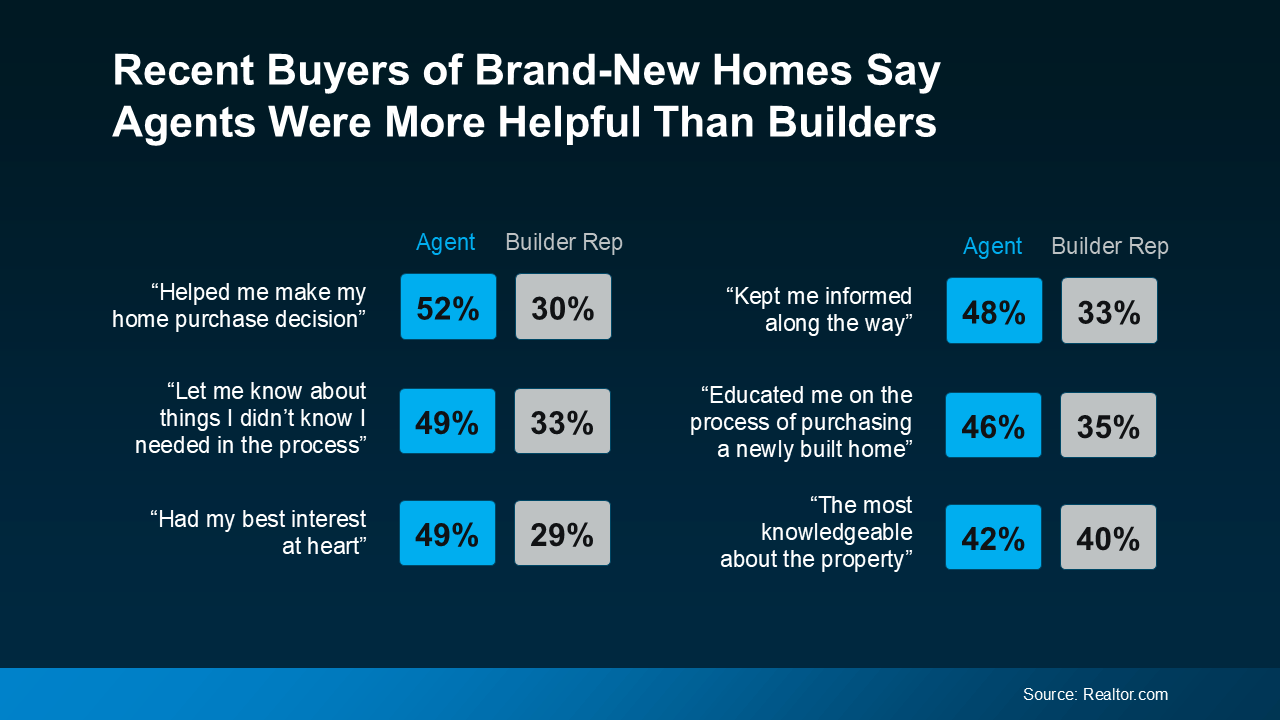
Maybe that’s why data shows homebuyers unanimously scored their agents higher than their builders when looking back on their recent purchase:

a screenshot of a graphSo, you don’t need to worry that they just don’t make them like they used to. By working with a knowledgeable real estate agent to choose a reputable builder, you can feel confident when buying a newly built home today. As Realtor.com says:

“If you are interested in buying a new construction . . . You need your own real estate agent from the get-go. Even if it seems like plug and play to sign up with the builder’s on-site agent, you’re going to want someone representing your side of the deal.

Bottom Line

If you’re considering buying a brand-new home, don’t let misconceptions hold you back. Let’s work together to find a home you’ll love and be proud to call your own.

Posted in Market Updates
Sept. 16, 2024

Why Curb Appeal is Crucial for Selling a Home


When it comes to selling a home, first impressions matter—and that’s where curb appeal comes into play. The exterior of your home is the first thing potential buyers see, and a well-maintained front yard, clean facade, and inviting entrance can make all the difference. Here's why curb appeal is so important:


1.⁠ ⁠First Impressions Matter

Curb appeal is the first impression potential buyers have of your property. A home with a neatly trimmed lawn, fresh paint, and attractive landscaping immediately signals that the house is well-cared for. This can create a positive, lasting impact and set the tone for the rest of the home tour. Even before stepping inside, buyers begin to form opinions, and a good first impression can make the difference between a potential offer or a quick pass.


2.⁠ ⁠Boosts Perceived Value

Homes with strong curb appeal often command a higher perceived value. Buyers are more likely to believe a home is well-maintained if its exterior is attractive. In fact, some studies show that homes with high curb appeal can sell for 7-14% more than homes with an average exterior. It’s not just about looks—curb appeal sends a message about the overall care and condition of the property.


3.⁠ ⁠Sets Your Home Apart

In a competitive market like Brooklyn, NY, where homes are constantly being listed, curb appeal can be the factor that sets your property apart. A clean, attractive exterior draws attention in listings and can increase foot traffic to your open house. With so many homes for sale, making your property stand out is key to catching a buyer’s eye.


4.⁠ ⁠Creates a Welcoming Atmosphere

Potential buyers should feel welcome and excited to see the rest of your home. The exterior acts as a preview, and a welcoming front door, tidy garden, and fresh decor can make buyers feel more connected to the property. Whether it’s new planters, a fresh coat of paint on the shutters, or simple lawn care, small updates can make your home feel more inviting.


5.⁠ ⁠It’s a Smart Investment

Investing time and effort into improving curb appeal can have a significant return on investment. Enhancing the attractiveness and value of your home is always a worthwhile consideration for sellers. Simple, low-cost upgrades like power washing the driveway, planting fresh flowers, or repainting the front door can make a big difference in how your property is perceived by buyers.


Posted in Market Updates
Aug. 1, 2024

Financial Considerations: Buying vs. Renting a Home


When considering your next move, understanding the financial implications of buying a house versus renting an apartment is crucial. As a realtor broker in Brooklyn, New York, I've seen how these decisions impact people's lives and long-term financial health. Let's explore the key financial aspects of each option to help you make an informed choice.

Upfront Costs

  • Buying a House:
    Purchasing a home requires a significant initial investment. You'll need to budget for a down payment, which can range from 3% to 20% of the purchase price, depending on the loan type and your financial situation. Additionally, closing costs, including fees for title insurance, inspections, and loan origination, can add up. Don't forget moving expenses, which vary based on distance and the amount of belongings.
  • Renting an Apartment:
    Renting is generally more affordable upfront. Typically, you'll need to pay a security deposit (usually one month's rent) and possibly the first month's rent. This lower initial cost makes renting an accessible option for many, especially those looking to save or invest in other areas.

Monthly Costs

  • Owning a Home:
    Monthly expenses for homeowners include mortgage payments, property taxes, homeowners insurance, and maintenance costs. It's essential to plan for both routine maintenance and unexpected repairs. Utility costs, such as water, gas, and electricity, also need to be factored in.
  • Renting an Apartment:
    Renting involves paying rent and often utilities, though some rentals include utilities in the rent price. Renters typically don't worry about property taxes or major maintenance, making budgeting more predictable.

Long-Term Investment

  • Buying a House:
    Homeownership can be a powerful long-term investment. As you pay down your mortgage, you build equity in your home. Over time, this can lead to substantial financial gains, particularly if the property appreciates. Homeownership also offers stability and the freedom to personalize your living space.
  • Renting an Apartment:
    While renting provides flexibility and lower upfront costs, it doesn't offer the same financial benefits as homeownership. Rent payments do not build equity, and there's no return on investment. However, renting can be ideal for those who prioritize flexibility, such as individuals who move frequently or are uncertain about their long-term plans.

Conclusion

  • The decision between buying and renting hinges on various factors, including your financial situation, lifestyle preferences, and long-term goals. Whether you're seeking the stability and investment potential of homeownership or the flexibility and lower initial costs of renting, it's important to weigh these considerations carefully.

Ready to Explore Your Options?

If you're considering buying or renting in Brooklyn, I'm here to help! With my extensive knowledge of the local market, I can guide you through the process and help you find the perfect home or rental. Contact me today to discuss your options and take the next step toward your ideal living situation.

Contact Me Today!


Posted in Market Updates
July 10, 2024

How to Calculate How Much House You Can Afford


Understanding the Basics

As a prospective home buyer, one of the most crucial steps in the home-buying process is determining how much house you can afford. This calculation involves several factors, including your household income, monthly debts, and the amount of savings available for a down payment. Here's a breakdown of how lenders assess your affordability and what you need to consider.

Household Income

Your household income is the foundation of your home affordability. Lenders look at your gross monthly income—the total income before taxes and deductions. This figure includes salaries, wages, bonuses, and other sources of income. It is essential to have a steady and reliable income to qualify for a mortgage.

Monthly Debts

In addition to your income, lenders will assess your monthly debts. These debts include obligations such as car loans, student loans, credit card payments, and any other recurring expenses. Lenders use your debt-to-income (DTI) ratio to determine your ability to manage additional debt, such as a mortgage. The lower your DTI ratio, the more favorable you appear to lenders.

Down Payment

The amount of savings you have available for a down payment significantly affects how much house you can afford. A larger down payment reduces the loan amount you need to borrow, which can lower your monthly mortgage payments and potentially qualify you for a better interest rate. Typically, a down payment of at least 20% of the home’s purchase price is recommended to avoid private mortgage insurance (PMI).

Mortgage Payments and Comfort Level

As a home buyer, it's essential to have a clear understanding of your monthly mortgage payments and how they fit into your overall budget. While you may qualify for a higher mortgage amount based on your income and credit score, it's important to ensure that your housing expenses do not exceed 1/3 of your monthly income. This rule of thumb helps maintain a comfortable and sustainable financial situation.

Credit Score

Your credit score plays a significant role in determining the mortgage terms you qualify for. A higher credit score can lead to better interest rates and loan terms, making your monthly payments more affordable. Conversely, a lower credit score may limit your borrowing options and result in higher interest rates.

Final Thoughts

Calculating how much house you can afford involves a careful analysis of your financial situation. By considering your household income, monthly debts, down payment, and credit score, you can gain a clear understanding of your affordability. Remember, it's not just about qualifying for a mortgage; it's about ensuring that your monthly housing expenses align with your overall financial goals and provide a level of comfort and security.

Whether you're a first-time home buyer or looking to upgrade, taking the time to assess your affordability will help you make informed and confident decisions in the home-buying process. Happy house hunting!


Posted in Market Updates
May 27, 2024

Testimonials